How a Sausage Became a Holiday: The Strange History of July 4th Food
The hot dog's roots trace back centuries before America existed, to German sausages from Frankfurt and Vienna, brought to American shores by immigrant butchers in the 1800s. The hamburger's path was similarly tangled and similarly German in origin, with "Hamburg steak" sandwiches showing up in American newspaper advertisements as early as the 1890s. Neither food had anything to do with patriotism when it arrived. What turned them into Fourth of July staples was something more American than any specific recipe: mass production, affordability, and the backyard cookout culture that exploded in the postwar 20th century, when suburban grills and disposable income made outdoor grilling a national pastime rather than a regional curiosity.
By the time the Bicentennial rolled around in 1976, the hot dog and hamburger were already so thoroughly embedded in the American summer that nobody thought to question why. Today, Americans eat roughly 150 million hot dogs and 750 million pounds of chicken over the Fourth of July weekend, a fittingly enormous number for a holiday built around enormous appetites and enormous fireworks. The founding generation, who mostly ate what their own farms and root cellars produced, would likely find the modern cookout baffling. But they would probably recognize the impulse behind it: a fiercely independent country throwing a fiercely independent party, eating whatever it wanted, however it wanted, because nobody back in London got a vote on the menu anymore.
A Regional Tour of the Fourth
What actually lands on the table varies enormously by region, and that variation is itself a kind of monument to 250 years of American diversity. In the South, barbecue is less a dish than an art form, with ribs slow-cooked over hickory, mesquite, or oak until the meat falls off the bone, and pulled pork seasoned according to fiercely defended regional traditions — sweet and tomato-based in Kansas City, sharp and vinegar-forward in the Carolinas. Collard greens, slow-cooked with smoky seasoning from ham hocks or bacon, and cornbread round out the Southern table, with peach cobbler standing as the South's reigning Independence Day dessert.
New England takes a different, more maritime approach, built around the clam bake tradition — clams, mussels, corn, and sometimes lobster, traditionally layered over hot stones and seaweed in a method that predates the Revolution itself. The lobster roll, simple and unadorned, lets the sweetness of fresh lobster meat speak for itself, while blueberry pie closes out the meal with a tart, regional sweetness no other part of the country can quite replicate.
Out West, the Fourth looks lighter and more improvisational, with grilled fish tacos tracing their roots to Baja California and avocado toast standing in as an unlikely but genuinely beloved holiday staple. Three regions, three entirely different menus, all celebrating the same day for the same reason. That, as much as any fireworks display, is the real argument for American diversity holding together under one flag.
A Taste of the South: Peach Cobbler
A basic version starts with six cups of sliced fresh peaches tossed with three-quarters of a cup of sugar, a tablespoon of lemon juice, and a teaspoon of cinnamon, left to sit for fifteen minutes while the topping comes together. For the topping, mix one cup of flour, a half cup of sugar, two teaspoons of baking powder, and a pinch of salt, then cut in six tablespoons of cold butter until the mixture looks like coarse crumbs, and stir in a half cup of milk just until combined. Pour the peach mixture into a buttered baking dish, drop spoonfuls of the topping over the fruit, and bake at 375 degrees for about 35 to 40 minutes, until the top is golden and the fruit is bubbling at the edges. Let it rest for ten minutes before serving, which is roughly how long it will take the rest of the table to notice the smell coming from the kitchen and start circling.
A Drink Worth Raising: The Whiskey Smash
However the menu shakes out this year — smoked ribs in Tennessee, lobster rolls in Maine, fish tacos on the California coast — the food itself is a small, edible reminder of what the day is supposed to be about. Two hundred and fifty years of independence has produced a country that cannot agree on a single Fourth of July menu, and somehow that disagreement is exactly the point.
Sources
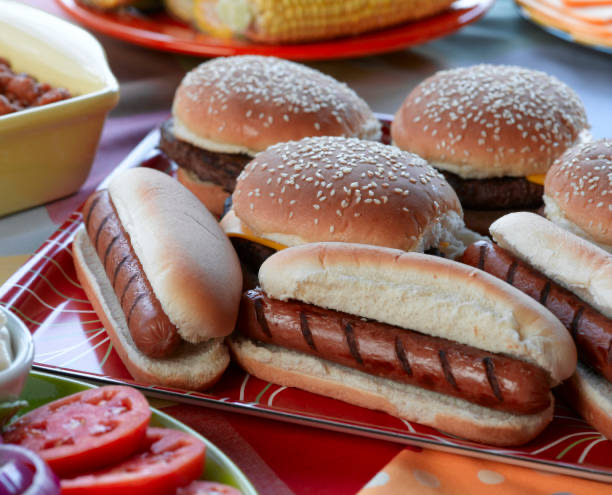 The Founders ate nothing resembling a hot dog on July 4, 1776, and they certainly never flipped a hamburger. Yet 250 years later, those two foods, along with a smoking grill and a cooler of beer, have become as synonymous with Independence Day as fireworks and flags. The story of how that happened says less about the Founders and more about the country they left behind to keep inventing itself.
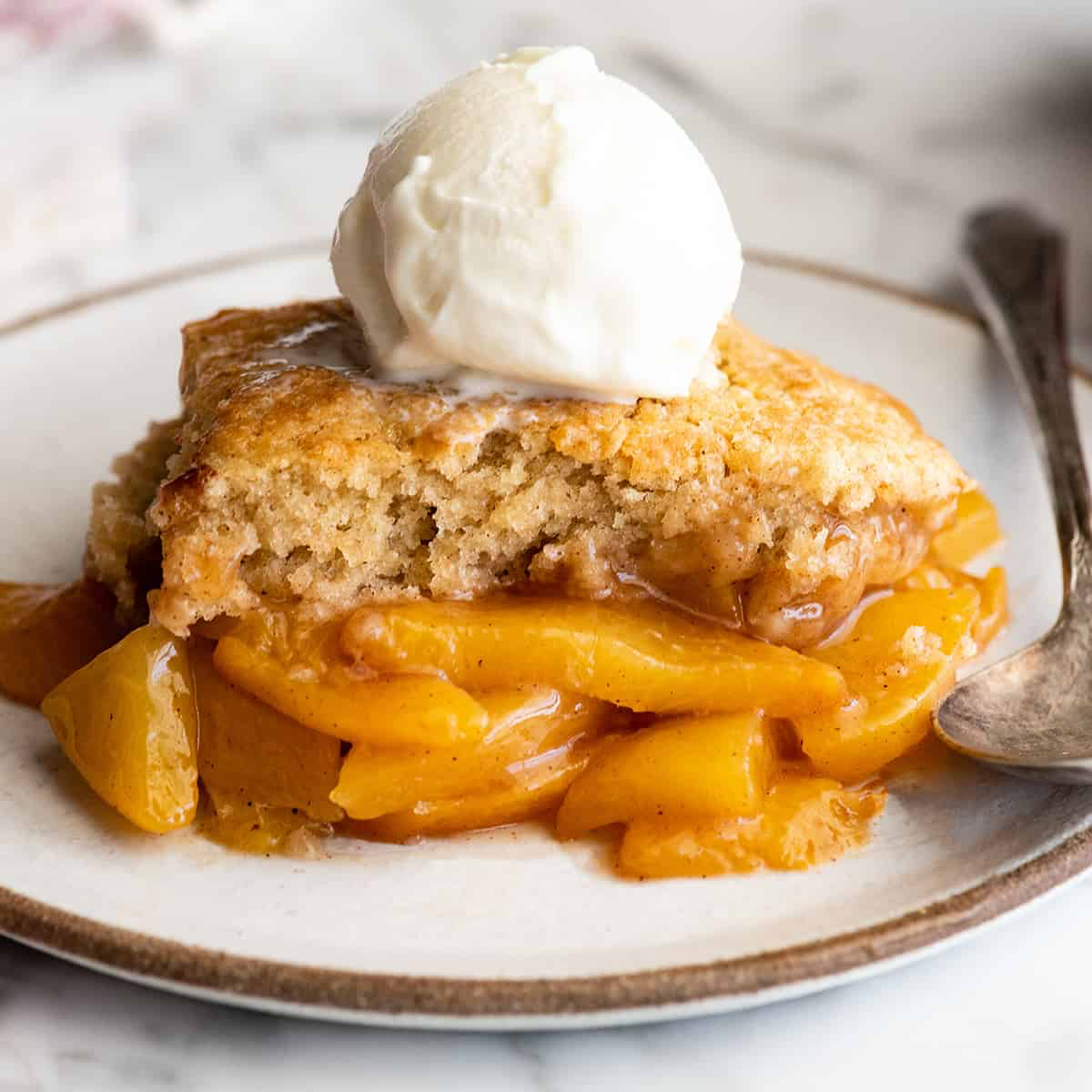 For a Tennessee kitchen, peach cobbler is the obvious choice to represent the Southern half of this tour — simple, forgiving, and built around whatever ripe peaches are sitting on the counter in early July. The basic method has barely changed in generations: sliced peaches, sweetened and lightly spiced, baked beneath a biscuit-like topping until the fruit bubbles up around the edges and the crust turns golden. Serve it warm, with a scoop of vanilla ice cream melting into the syrup, and the dish does the rest of the work itself.
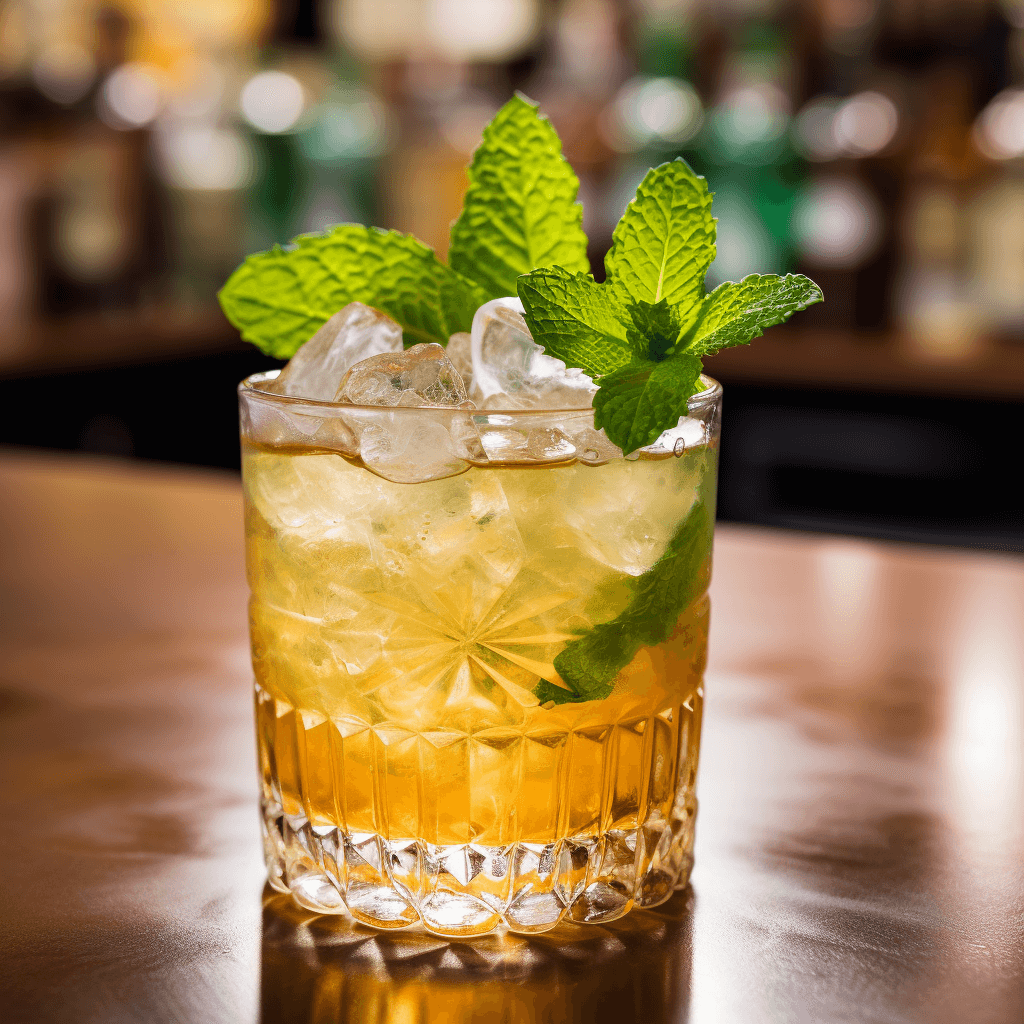 A patriotic holiday calls for a patriotic spirit, and nothing fits the bill quite like American whiskey. A whiskey smash is simple enough for a backyard cookout but considerably more interesting than a can of beer: muddle a half lemon and several mint leaves with a tablespoon of simple syrup in the bottom of a glass, add two ounces of bourbon, fill with crushed ice, and stir well. Top with a splash of club soda and garnish with a fresh mint sprig. It is cold, bright, and bracing in the summer heat, with just enough bourbon backbone to remind everyone what holiday they are actually celebrating.
Wholey
Let's Renovate
Napoleon Grills
Taste of Home
|
|||
| search engine by freefind |
Your ad could be in the next issue of idleguy.com for as little as $6 per month. Contact Fearless Rick using the form on page 15 for more information.
is the official online marketplace for idleguy.com and dtmagazine.com, featuring vintage magazines and other merchandise for sale.