Pedal Power: Why Cycling Belongs in Your Summer
Cycling is one of the most efficient full-body workouts available, and it is far gentler on the joints than running. A steady hour in the saddle works the quadriceps, hamstrings, glutes, and calves, while the core stays engaged the entire ride to maintain balance and posture. Unlike high-impact sports, cycling places minimal stress on the knees and ankles, which makes it a sustainable activity well into later decades of life — plenty of lifelong cyclists are still logging serious miles in their seventies and eighties.
The cardiovascular payoff is substantial as well. Regular cycling strengthens the heart, improves lung capacity, and has been shown to lower resting heart rate and blood pressure over time. It is also an effective calorie burner without requiring the recovery time that heavier strength training demands, meaning a rider can get back on the bike again the next day with little issue.
There is a mental health dimension too. Time on a road bike, especially on quiet rural routes, offers the kind of rhythmic, repetitive motion that tends to clear the head and lower stress. Mountain biking adds an extra layer: navigating roots, rocks, and switchbacks demands constant focus, which many riders describe as a form of moving meditation, fully absorbing but never boring.
Getting the Gear Right: What Actually Matters
A new rider walking into a bike shop will be confronted with marketing language at every turn, much of it irrelevant to a first purchase. The single most important piece of equipment is the helmet, and the single most important factor in a helmet is fit, not price. Independent testing has repeatedly found that cost does not reliably predict protection; some helmets priced under $100 outperform models three times the price in real-world crash simulations. What actually matters is rotational impact protection, found in systems with names like MIPS, WaveCel, and KinetiCore, which address the twisting forces responsible for most traumatic brain injuries in cycling crashes. A helmet should sit level on the head, roughly two finger-widths above the eyebrows, never tilted back to look cooler or feel less constricting, since a tilted helmet leaves the forehead exposed in exactly the kind of forward fall that causes most cycling injuries. The straps should form a V-shape just below each ear, and the whole helmet should move as one unit with the head when given a firm shake. Beyond the helmet, proper bike fit matters more than any individual component on the bike itself. A bike that is the wrong frame size will be uncomfortable and inefficient no matter how expensive its gears or wheels are, so a quick fitting at a local shop, often free with purchase, is worth far more than chasing a marginally lighter frame or a flashier paint job.
The Rise of the E-Bike
No corner of the cycling world has grown faster in recent years than electric bikes, and the category is reshaping who gets into the sport in the first place. Pedal-assist motors let riders tackle hills, longer distances, and rougher trails that might otherwise be discouraging, which has opened cycling to older riders, those returning after an injury, and anyone simply intimidated by a steep learning curve. The growth has been driven in part by falling battery costs and longer ranges, with many modern e-bikes now covering well over 50 miles on a single charge. Electric mountain bikes in particular have become popular for exactly the reason a regular mountain bike can be daunting: they let a rider with moderate fitness reach the same remote trailheads and climb the same punishing fire roads as a stronger, more experienced rider, leveling the playing field without removing the physical effort of pedaling altogether. For someone hesitant about whether cycling is for them, an e-bike can be a more forgiving entry point than committing to a fully unassisted road or mountain bike right out of the gate.
Sharing the Road and the Trail
Cycling safety extends well beyond the helmet on a rider's head. On the road, cyclists are legally entitled to a full lane in most states, and the safest riders make their intentions unmistakable: a left arm extended straight out signals a left turn, a left arm bent upward at the elbow signals a right turn, and a left arm bent downward signals slowing or stopping. Riding predictably, in a straight line, and obeying the same traffic signals as cars goes a long way toward avoiding the close calls that give cycling a reputation for danger it does not deserve when practiced carefully. On singletrack trails, the etiquette is different but no less important: hikers generally yield to no one, mountain bikers yield to hikers and horses, and bikers heading uphill have the right of way over those coming down, since it is far easier for a descending rider to stop. A simple, friendly call-out when approaching from behind, and a willingness to dismount in tight or blind spots, keeps shared trails enjoyable for everyone using them.
Getting started does not require a major financial commitment, though the ceiling on both road and mountain bikes goes about as high as a rider is willing to spend. The table below offers a rough sense of where the market sits in 2026, from sensible entry-level machines to the kind of bikes professionals actually race.
As with most gear-driven hobbies, the law of diminishing returns sets in well before the top of the price range. A well-built $1,000 road or mountain bike will satisfy most weekend riders for years; the higher tiers exist mainly for racers and serious enthusiasts chasing marginal gains in weight, stiffness, and componentry. For anyone considering a first bike this summer, a local shop test ride remains the best way to figure out which category, and which price point, actually fits.
Sources
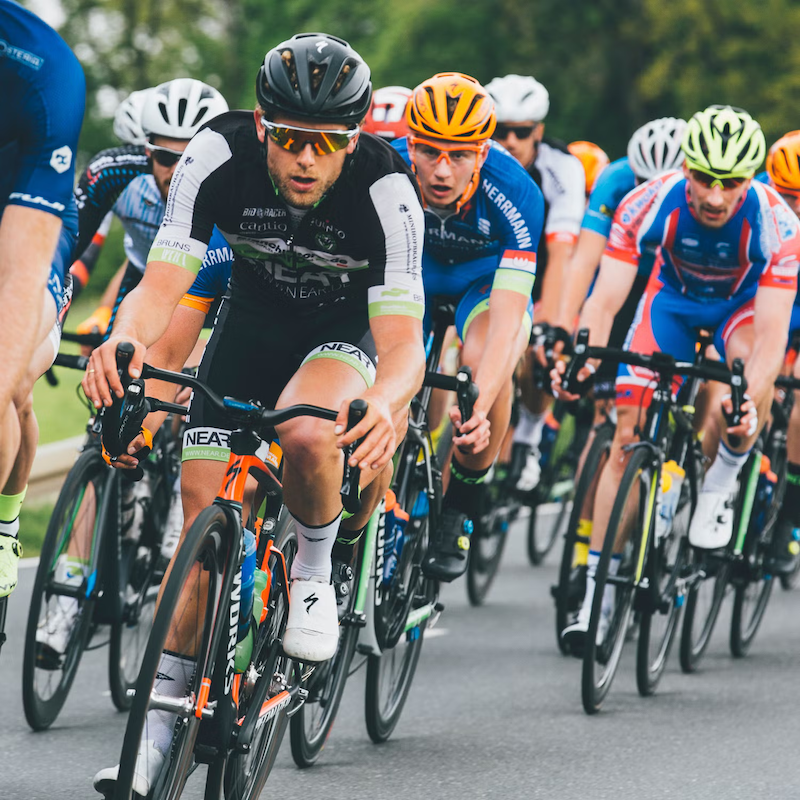 With the Tour de France rolling through July and the open road practically begging for a ride, summer is the natural season to get serious about cycling. Whether your interest leans toward road biking or the rougher world of mountain biking, the benefits go well beyond watching the peloton climb the Alps from your couch.
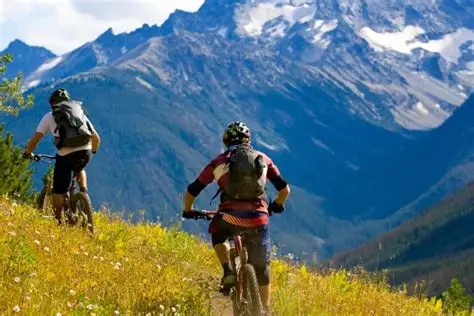 The two disciplines reward different instincts. Road biking is about sustained effort, efficiency, and covering real distance — the same discipline on display every July when the Tour de France peloton covers over 2,000 miles across three weeks. Mountain biking is shorter bursts of technical skill, balance, and reaction time, ridden through forests and over terrain a road bike could never survive. Many riders eventually own both, but for someone just getting started, the better question is simply which kind of riding sounds more appealing: long open roads, or winding singletrack through the woods.
Category
Tier
Example Models
Approximate Price Range
Road Bike
Low Cost
Giant Contend SL, Canyon Endurace (alloy entry models)
$800 – $1,200
Road Bike
High Cost
Specialized S-Works Tarmac SL8, Pinarello Dogma F
$8,000 – $13,000+
Mountain Bike
Low Cost
Trek Marlin 7, Rockrider XC 100 (entry hardtails)
$700 – $1,000
Mountain Bike
High Cost
Yeti SB160, Specialized Turbo Levo (e-MTB)
$7,000 – $9,000+
Cycling Weekly
Cyclingnews
BikeRadar
BikeGrind
Grand View Research
|
|||
| search engine by freefind |
Your ad could be in the next issue of idleguy.com for as little as $6 per month. Contact Fearless Rick using the form on page 15 for more information.
is the official online marketplace for idleguy.com and dtmagazine.com, featuring vintage magazines and other merchandise for sale.