After the Fireworks: Quiet Escapes and a Drive Through History
A note before we begin: readers looking for our coverage of Independence Day celebrations and fireworks traditions will find that piece in last month's June issue, where it fit the calendar a bit better. This month, Travel takes a different angle — first, where to go now that the holiday crowds have cleared out, and second, a longer look at one of the best ways to mark the country's 250th birthday: getting in the car and driving through the actual places where it all happened.
The Quiet Stretch After the Fourth
The week or two after Independence Day has a particular appeal for travelers willing to notice it: the parades are over, the fireworks crowds have dispersed, and a lot of destinations that were elbow-to-elbow on the third and fourth of July suddenly have room to breathe. A few spots worth considering for the back half of the month.
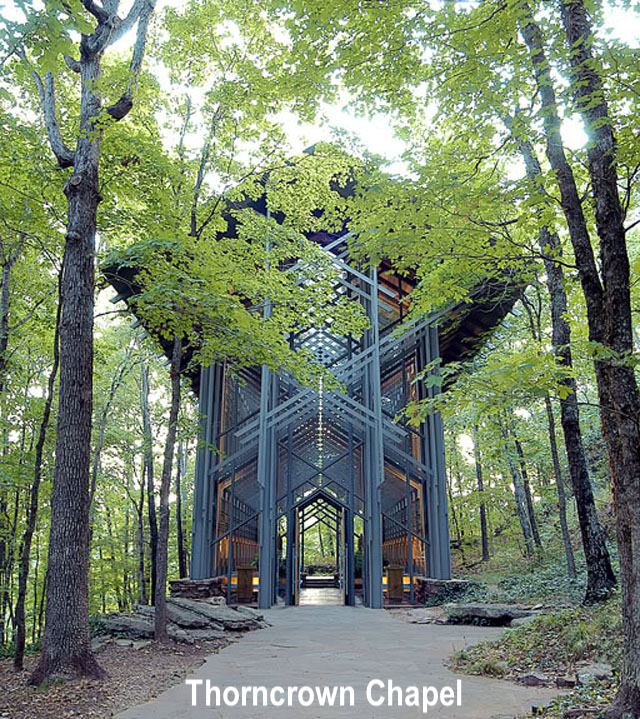
On the Gulf Coast itself, Eureka Springs, Arkansas trades the beach for the Ozark Mountains, with winding Victorian streets, a genuine small-town arts scene, and Thorncrown Chapel, a striking glass-and-wood sanctuary tucked into the forest that is worth the detour on its own. It is the kind of place built for wandering rather than checking items off a list.
Up the Atlantic coast, New Bern, North Carolina sits about forty miles inland from the more crowded Bogue Banks beaches, which keeps it pleasantly overlooked despite a genuinely interesting history — it is, among other things, the birthplace of Pepsi. Ogunquit, Maine offers a similar inland-feeling calm right on the water, with sandy beaches, a scenic coastal walking path called the Marginal Way, and enough fresh seafood to make the drive worthwhile by itself.
The Long Way Around: A Colonial Road Trip for the 250th
For readers willing to commit more than a long weekend, 2026 offers a once-in-a-lifetime excuse for a different kind of trip entirely: driving the actual ground where the American story began. The classic route runs roughly 450 miles from Boston to Washington, D.C., though it can easily be extended south into Virginia, and it passes through more concentrated history per mile than almost any other drive in the country.
Start in Boston, where the Freedom Trail strings together the Old State House, Faneuil Hall, the Paul Revere House, and the Old North Church into a walkable timeline of the events that lit the fuse. A short detour to Lexington and Concord puts you on the actual ground where the first shots of the Revolution were fired. From there, the drive south to Providence is worth a stop in its own right, particularly Benefit Street, lined with original colonial homes, and the John Brown House, tied to one of the earliest acts of organized rebellion against British rule, predating even the Boston Tea Party.
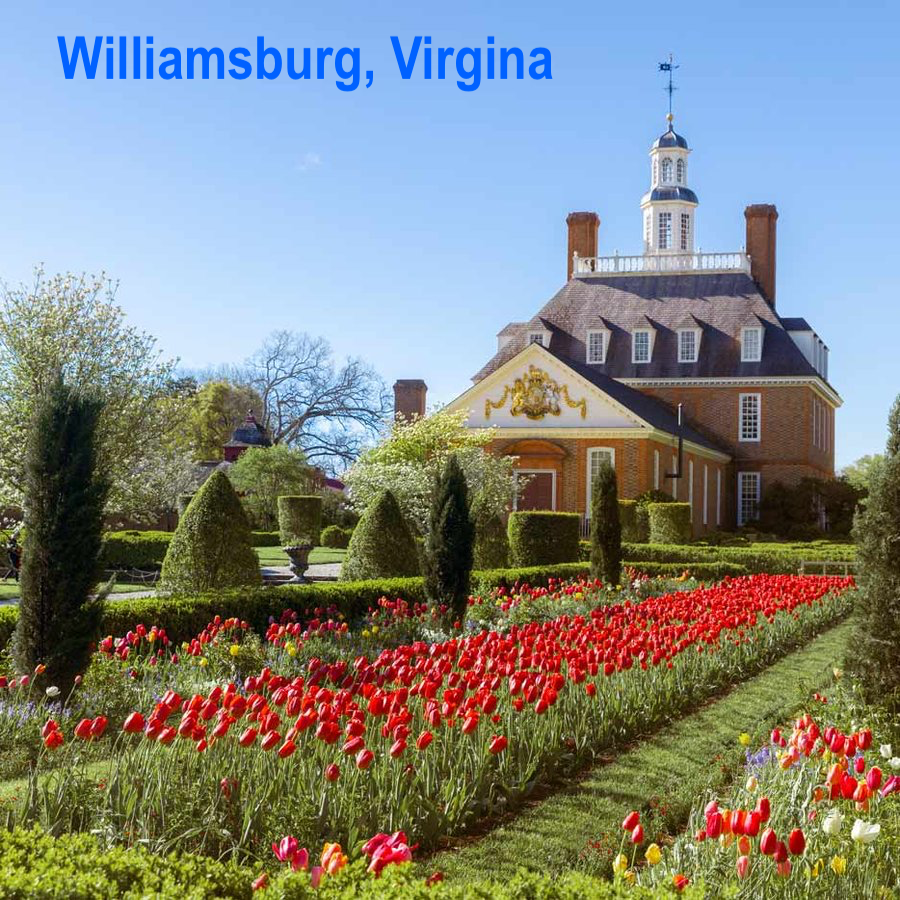
The whole route can be driven in a relaxed week to ten days, with plenty of campgrounds and RV parks scattered along the way for travelers who would rather not deal with city hotel rates. Most of these sites offer extended 250th anniversary programming throughout 2026, so a visit in late July will find the same energy and exhibits that drew crowds over the Fourth, minus the holiday traffic.
However you choose to spend the rest of the summer — sinking your toes into the quiet sand of Sanibel or standing on the same cobblestones Jefferson and Henry once walked — 2026 offers a rare invitation to actually go see the places this whole anniversary is about, rather than just reading about them.
Sources
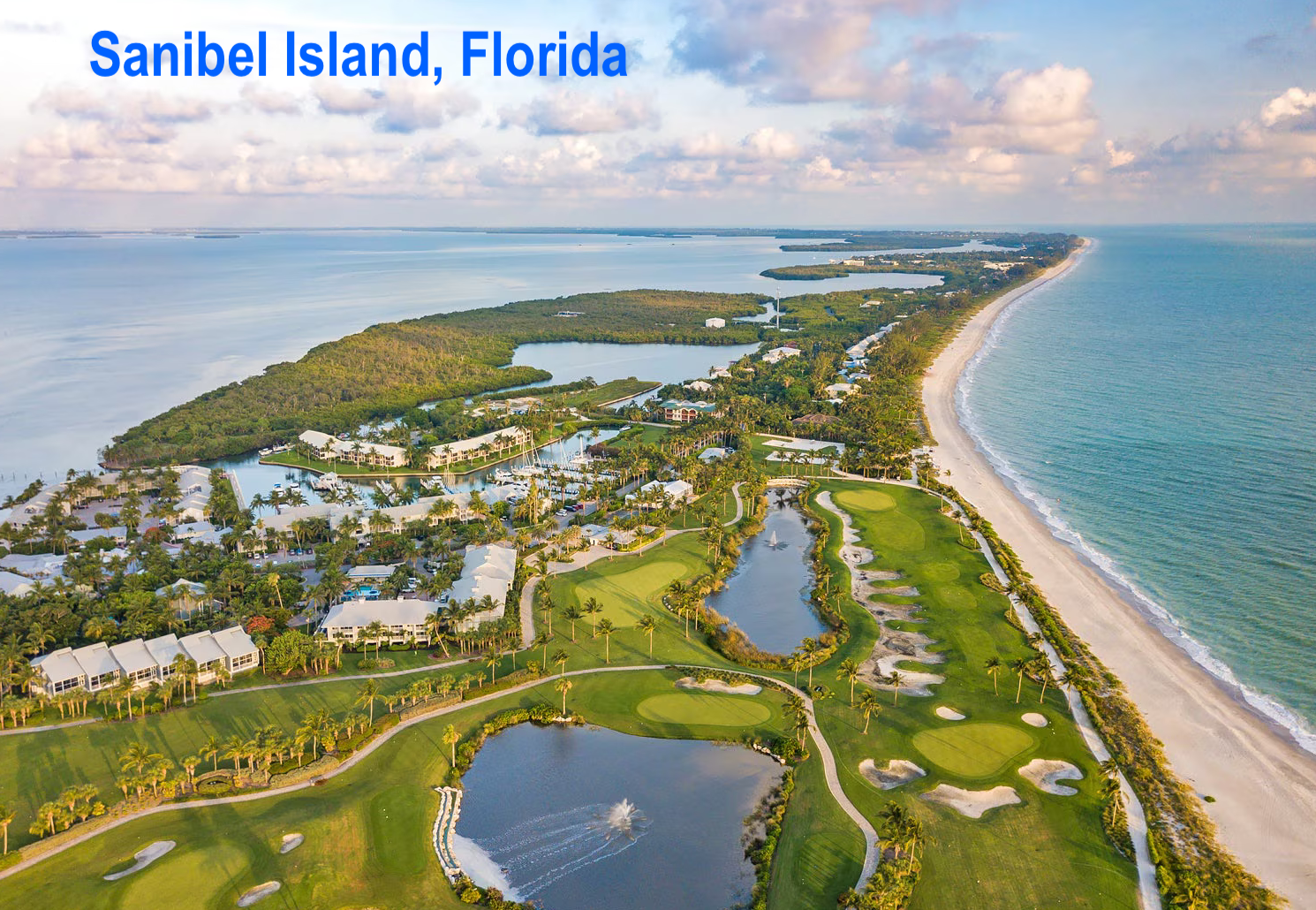 Sanibel Island, Florida runs almost backward from most beach towns — its true high season is winter, which makes summer the quiet stretch. No traffic lights, no high-rises, just a twelve-mile barrier island built for biking, shelling, and watching the sunset without a crowd forming around you. Captiva Island, just up the road, offers the same unhurried pace with a farmers market and easy kayaking thrown in.
 None of these require a passport, a flight, or a second mortgage. They simply require timing a trip for the week after everyone else has already gone home.
 Philadelphia is the heart of the trip, and deserves a full day or two on its own. Independence Hall, where both the Declaration and the Constitution were debated and signed, anchors a dense cluster of sites that also includes the Liberty Bell, Carpenters' Hall, and the Museum of the American Revolution, which does an excellent job placing the political arguments of the era in context. A short drive outside the city reaches Valley Forge, where Washington's army endured the brutal winter of 1777-78, and the spot along the Delaware River where Washington's famous crossing took place.
AAA Travel
Harbors and Havens
Roadtrippers
Colonial Williamsburg Foundation
National Park Service
|
|||
| search engine by freefind |
Your ad could be in the next issue of idleguy.com for as little as $6 per month. Contact Fearless Rick using the form on page 15 for more information.
is the official online marketplace for idleguy.com and dtmagazine.com, featuring vintage magazines and other merchandise for sale.