Savory Strawberry Ideas for the Spring Kitchen
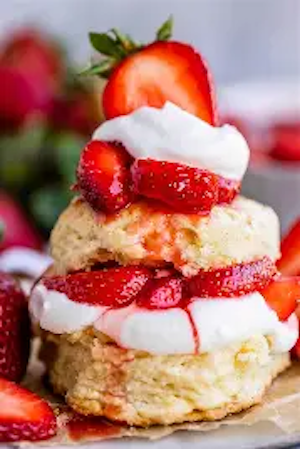
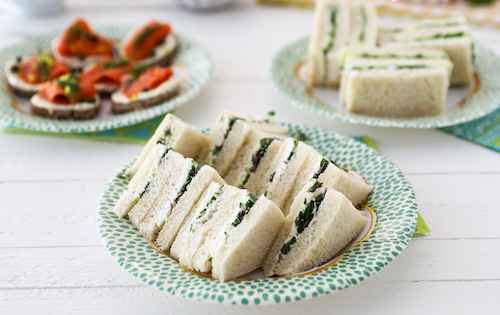
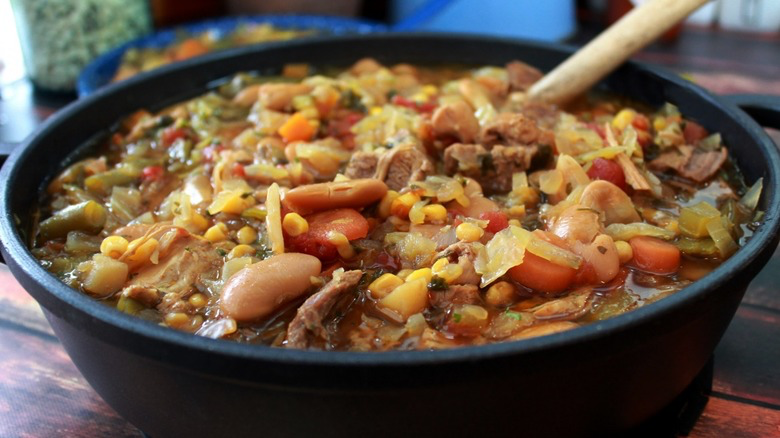
April is a month that rewards the hungry. Strawberries are showing up at farmers markets. The Kentucky Derby is around the corner. Asparagus is finally worth buying again. If you eat poorly in April, it is entirely your own fault. This month we have three things on the menu: strawberry recipes to match our cover theme, a primer on Derby Day food for your first-Saturday-in-May party, and a guide to what's fresh right now at your local market. Now that you've read all about the history of the strawberry in this month's Feature article, it's time to put some of them to use. Here are three simple preparations that let the berry do most of the work. Classic Strawberry Shortcake The only strawberry shortcake worth making in April is one built on fresh berries, not frozen. Hull and slice about two pounds of strawberries, toss them with a couple of tablespoons of sugar, and let them sit for at least 30 minutes. The sugar draws out the juice and creates a natural syrup that soaks beautifully into the cake. For the base, a split biscuit is more authentic than sponge cake and handles the juice better. Real whipped cream — from a carton, not a can — finishes it off. The whole thing takes about 45 minutes and is one of the most satisfying desserts in American cooking. Strawberry Spinach Salad This is one of those combinations that sounds fussy but tastes completely natural. Baby spinach, sliced fresh strawberries, thin-sliced red onion, toasted pecans or walnuts, and crumbled goat cheese or feta. The dressing should be light — a simple balsamic vinaigrette works beautifully, or a poppy seed dressing if you want something a little sweeter. The saltiness of the cheese against the sweet berries is the whole point. Add grilled chicken if you want to make it a full meal. Strawberry Cocktail: The Spring Smash Muddle four or five fresh strawberries with a teaspoon of sugar and a few mint leaves in the bottom of a shaker. Add two ounces of vodka or gin, an ounce of fresh lemon juice, and ice. Shake hard, strain into a glass over fresh ice, and top with a splash of club soda. Garnish with a strawberry and a sprig of mint. It is the color of spring and tastes like it, too. For a non-alcoholic version, replace the spirit with lemonade and double the club soda. The Kentucky Derby is horse racing's most theatrical afternoon — a two-minute race wrapped in three days of pageantry, elaborate hats, and very specific food traditions. If you are hosting a Derby party, or even just watching the race with a few friends, the food is as much a part of the occasion as picking your horse. Here is what belongs on the table. What on Earth is a Benedictine Sandwich? Fair question. Outside of Kentucky, almost no one has heard of it. Inside the state, it is on nearly every Derby party table and sold pre-made in grocery stores from Louisville to Lexington. It is, quite simply, one of the great undiscovered regional foods of the American South — and it deserves a wider audience. A Benedictine sandwich is built around a spread of cream cheese and cucumber. That's the core of it. But calling it "cream cheese and cucumber" undersells what it actually is — cool, creamy, faintly tangy, with a refreshing crunch from the cucumber and just enough heat from a pinch of cayenne to keep things interesting. It is light enough to eat three of them before you realize what you've done. The spread was invented in Louisville around the turn of the 20th century by Jennie Carter Benedict, a caterer, cookbook author, and restaurateur who opened her catering kitchen in 1893 out of a small outbuilding in her family's backyard. By 1900 she had opened a tearoom called Benedict's, which quickly became one of the most popular dining spots in the city. Her cucumber spread — served on thin crustless white bread as a tea sandwich — became a fixture at Louisville social events. Since she catered a great many Derby gatherings, the sandwich made it onto the Derby table and has never left. Jennie Benedict's original recipe called for cream cheese, cucumber juice, onion juice, salt, cayenne pepper, and a few drops of green food coloring to give the spread its characteristic pale green tint. Modern versions typically use grated cucumber rather than just the juice, and many add a little fresh dill, a touch of mayonnaise, or sour cream to adjust the consistency. The color may or may not include the food coloring — some cooks skip it, others leave a little cucumber skin in during preparation to get the green naturally. To make Benedictine sandwiches for a Derby party, grate one English cucumber (seeds removed) and a small amount of onion into a bowl lined with a clean kitchen towel. Wring out as much liquid as possible — this is important, or the spread will be runny. Beat softened cream cheese until smooth, then fold in the drained cucumber and onion, season with salt and cayenne, and add a little fresh dill if you like. Spread on thin white bread, cut off the crusts, and slice into triangles or small rectangles. They can be made a day ahead, which is one of the reasons they became a party staple. A popular Louisville variation is the B&B: Benedictine and Bacon. Spread the filling on white bread, add a strip of crisp bacon, top with a second slice. Cut into fingers. This is not a dainty tea sandwich anymore, and no one complains. Benedictine has been featured on the Food Network's 50 States 50 Sandwiches, written up in the New York Times, the Washington Post, and Saveur, and covered by NPR and Southern Living. It has been a staple of Louisville life for over 120 years. About time the rest of the country caught on. Burgoo: The Derby Stew If Benedictine is the Derby's elegant side, burgoo is its hearty, no-nonsense soul. Burgoo is a thick, rich stew that has been a Kentucky tradition since before Churchill Downs existed, served at horse sales, political rallies, church fundraisers, and outdoor gatherings of every kind. Think of it as Kentucky's answer to gumbo or Texas chili — deeply flavored, endlessly variable, and fiercely regional. The origins of burgoo are genuinely murky, which seems fitting for a dish this rustic. Some credit a French chef named Gus Jaubert who allegedly cooked it for Confederate troops during the Civil War using whatever game he could find — squirrel, rabbit, wild birds. Others trace it to freed slaves who made large communal batches for livestock sales. Still others point to Native American hunting stews. The word "burgoo" itself may come from "bird stew," or from a corruption of "bulghur ragout," or it may simply be old frontier slang. Nobody knows for certain, and Kentuckians are at peace with the mystery. What everyone agrees on is the general shape of the dish: at least three meats, a heap of vegetables, a tomato base, and a long slow simmer — hours at minimum, and traditionalists will tell you overnight is better. The old-time meats were whatever the hunt produced. Modern versions use some combination of beef, pork, chicken, and mutton, with potatoes, corn, lima beans, okra, tomatoes, and onions filling out the pot. A splash of Worcestershire sauce is non-negotiable. A pour of bourbon is optional but welcome. At Keeneland Racecourse in Lexington, where Derby qualifying races are held each spring, the kitchen has been serving the same burgoo recipe since the 1930s — pork, thyme, sage, garlic, carrots, corn, okra, and Worcestershire, simmered in enormous kettles. They go through 90 to 100 gallons per day during race week. Burgoo is a project, no question about it. Budget a full afternoon. But it feeds a crowd, it reheats beautifully, and it is even better the next day. Make it the day before your Derby party and warm it up while the horses are in the paddock. Serve with cornbread and hot sauce on the side. Derby Cocktail Variation: The Bourbon Smash We've given the classic mint julep its proper coverage in past issues, so this year let's try a variation. The Bourbon Smash follows the same general logic — bourbon, mint, citrus — but with a little more brightness. Muddle six mint leaves with half a lemon (cut into wedges) and a teaspoon of simple syrup in a shaker. Add two ounces of bourbon and a handful of ice. Shake well and strain over crushed ice in a rocks glass. Garnish with a mint sprig and a lemon wheel. It is looser and more casual than a julep, which suits a backyard Derby party just fine. April is the turning point at the farmers market. The winter storage crops — squash, root vegetables, and cabbage that have been around since October — are finally giving way to something fresher and more exciting. Here is what to look for and what to do with it. Asparagus is the signal crop of spring, and April is its moment. Asparagus season is genuinely short — a matter of weeks — and once it's over, what you find in stores has been trucked in from far away and is a pale imitation. Buy it fresh from a farmers market vendor who harvested it that morning and you will understand why people get sentimental about it. Thin spears are best steamed or sautéed quickly in butter with a little garlic. Thick spears take well to roasting or grilling. A squeeze of lemon over either is all the seasoning you need. Strawberries are arriving early in the South and mid-Atlantic and will work their way north through the month. Get them at a farm stand or pick-your-own if you can — the flavor difference over supermarket berries is significant. Artichokes peak in spring and again in fall, with their spring window running roughly from March through June. They are more work than most vegetables, but roasted or steamed with garlic butter or a simple aioli, they are worth every minute. The heart is the prize; work toward it. Rhubarb is technically a vegetable but is treated almost entirely as a fruit. It is bracingly tart on its own, which is why it is nearly always paired with something sweet. The classic is strawberry-rhubarb pie, which in April is possible to make with both ingredients fresh and local. This is a combination worth celebrating. Spring Peas — both shelling peas and snap peas — start showing up in April. Fresh peas straight from the pod bear almost no resemblance to the canned or frozen version. They are sweet and bright and can be eaten raw, barely blanched, or tossed into pastas, risottos, and salads. Buy more than you think you need because a significant percentage will be eaten on the walk back to the car. Spinach and Spring Greens thrive in cool weather and are at their best right now before the heat of summer turns them bitter. Arugula, watercress, and spring mix are all at peak freshness in April. This is the time to make salads. Radishes are one of the earliest crops of the spring market, quick-growing and brilliantly colored. Sliced thin over butter on a piece of good bread with a pinch of sea salt is a classic French preparation that sounds too simple to be as good as it is. They also add crunch to salads and slaws. A final note on farmers markets in general: going regularly, even when you don't have a specific plan, is one of the better habits a cook can develop. The vendors know their products, the produce is fresher than anything in a supermarket, and the simple act of seeing what looks good that week tends to produce better meals than any recipe you went in planning to make. Sources: Wikipedia - Benedictine Spread Louisville Public Media - The Backstory on Benedictine Tasting Table - Burgoo and the Kentucky Derby Ask the Food Geek - What's in Season in April One Green Planet - Spring Farmers Market Guide
Strawberry Season: Three Ways to Use the Best Fruit of Spring

Derby Day on the Table: What to Serve on May 2nd
The April Farmers Market: What to Look For Right Now
|
|||
| search engine by freefind |
Your ad could be in the next issue of idleguy.com for as little as $6 per month. Contact Fearless Rick using the form on page 12 for more information.
has vintage magazines, merchandise and free ads for merchants.
Got something to sell? Registration is free and there are no fees on the idleguy.com marketplace.