Chasing Color: America's Best Fall Foliage Scenic Drives
By Claude AI, Assistant Publisher
October is peak-color season across most of the country, and 2026 is shaping up to be a fairly typical year for it — most regions are tracking close to their historical averages for timing, though as always, a run of unusually warm or wet weather in the coming weeks could nudge things a few days earlier or later. That's actually good news for planning: it means the traditional windows below are a safe bet, without last year's late-season surprises throwing a wrench into travel dates booked months in advance.
What follows isn't a ranked list so much as a map of when to be where. Foliage doesn't arrive all at once across the country — it rolls south and downhill over roughly six weeks, starting in the far north and the high peaks in late September and finishing in the southern lowlands by early November. Understanding that rhythm is really the whole trick to planning a foliage trip that actually hits peak color instead of arriving a week too early or too late.
New England is typically one of the first regions in the country to hit peak color, with the season stretching from late September into late October as it works its way south from the northern mountains down through the coast. The classic drive remains the Kancamagus Highway through New Hampshire's White Mountains — 34 miles with pull-offs at nearly every overlook — paired with Vermont's Route 100, which threads through small towns and covered bridges the entire length of the state. If you're chasing the earliest color, aim for the first two weeks of October in northern New Hampshire and Vermont; if you want the coastal version, mid-to-late October brings peak color to Acadia National Park in Maine, with the added bonus of ocean views mixed in with the maples.
Closer to Home: The Smokies and the Blue Ridge Parkway
For readers who don't want to drive halfway across the country, the Southern Appalachians offer one of the longest foliage seasons anywhere in the US, precisely because the elevation change is so dramatic. Color starts on the highest peaks in early October and gradually works its way down through the lower elevations into early November, which means you can effectively chase peak color by driving to different elevations on different weekends rather than getting just one shot at it. Newfound Gap Road through the Great Smoky Mountains National Park climbs from valley floor to over a mile high in a single drive, and Cades Cove Loop remains the most popular stop in the park for a reason. The Blue Ridge Parkway follows the same elevation logic, with color beginning at the highest overlooks in late September before cascading down through the foothills over the following month — giving you essentially six weeks of usable peak-color window somewhere along its 469 miles, depending on how high you're willing to climb.
For East Tennessee readers who'd rather avoid the Gatlinburg traffic entirely, the Cherohala Skyway is the drive locals actually take. Running 43 miles between Tellico Plains, Tennessee, and Robbinsville, North Carolina, it climbs to over 5,400 feet with sweeping overlooks and none of the bumper-to-bumper crowds that clog Newfound Gap Road on an October Saturday. Pair it with a run along the Foothills Parkway near Walland — a shorter, quieter alternative with some of the best long-range Smokies views anywhere — and you've got a full day of color without ever touching the park's most congested roads. Both tend to peak a bit later than the park's highest elevations, generally mid-to-late October, which also makes them a good second option if you miss the Smokies' earliest color.
The Pacific Northwest's Different Palette
Out west, the season looks and feels different — less about maple red and more about golden larches and cottonwoods against evergreen backdrops. The North Cascades Highway in Washington offers dramatic mountain-and-valley views, typically peaking in late September to early October before the pass often closes for the season with the first snow, so this is one drive where you genuinely can't wait until "sometime in October" to go. Closer to Mount Rainier, the roads through the Paradise and Sunrise areas mix subalpine meadows turning gold with huckleberry bushes turning deep red, usually in the same late-September window.
The Midwest's Underrated Color
The Midwest doesn't get the same reputation as New England or the Smokies, but it shouldn't be overlooked. Color spreads through October across the region, with northern areas — Michigan's Upper Peninsula, northern Wisconsin, Minnesota's North Shore — peaking in late September and early October, while southern portions of the region follow through late October. Michigan's "Tunnel of Trees" along M-119 north of Harbor Springs is a genuine hidden gem: a narrow, winding two-lane road canopied by maples and beeches for 20 miles along the Lake Michigan shoreline. Door County, Wisconsin offers a similar payoff with less driving distance and more small-town stops for cider and orchards along the way.
The West runs on a different clock than the East, with color generally arriving mid-September through mid-October, and elevation mattering more out there than almost anywhere else in the country. Colorado's aspen groves turn a shade of gold that photographs differently than a maple's red, and the San Juan Skyway — a 236-mile loop connecting Durango, Silverton, Ouray, and Telluride — is widely considered one of the best drives in America for it, with mountain passes over 10,000 feet putting you eye-level with entire hillsides of gold aspen. Kebler Pass near Crested Butte is a shorter, less-trafficked alternative that locals will tell you rivals anything on the Skyway.
Planning Around the Crowds
A few practical notes for any of these trips. Peak weekends fill lodging fast — small towns near the Smokies, the Blue Ridge Parkway, and New England's covered-bridge circuit routinely book out state hotel capacity months ahead for the two or three best weekends of the season, so if you're set on a specific date range, reserve now rather than in a few weeks. Weekday drives are dramatically less crowded than weekend ones on all of the routes above; if your schedule allows a Tuesday or Wednesday instead of a Saturday, you'll spend far less time waiting for parking at popular overlooks. Several of the almanac and foliage-tracking sites now offer real-time, interactive color maps updated through the season — worth checking the week before you leave rather than relying only on average dates, since a late-summer drought or an early cold snap can shift the calendar in either direction. And in mountain areas especially, dress for temperature swings of 30 degrees or more between valley floor and overlook, since elevation affects more than just when the leaves turn.
Getting the Best Photos
If you're bringing a camera along rather than just your phone, a couple of habits make a real difference. Overcast days actually photograph foliage better than bright sunshine — direct sun tends to blow out the reds and create harsh shadows, while cloud cover acts like a giant diffuser and lets the color saturate evenly. The hour after sunrise and the hour before sunset (the "golden hour" photographers talk about) adds warm side-lighting that makes color pop even more. A polarizing filter, if you have one, cuts glare off wet leaves and deepens the sky's blue against the orange and red canopy. And don't overlook the ground: a wet road or a still lake surface reflecting the color overhead often makes a more striking shot than the trees themselves.
One more thing worth building into any of these trips: October is also deer migration and rutting season across most of the country, which means more deer activity near roadways, especially at dawn and dusk on rural mountain routes. It's a good reason to build in daylight driving whenever the itinerary allows, on top of it simply being the best light for taking in the view.
Whichever direction you head, October remains one of the few times of year when the destination is the drive itself rather than wherever you're driving to.
Sources:
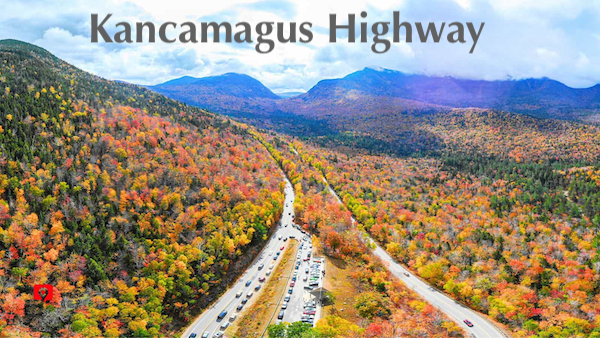 New England: The Original Leaf-Peeping Circuit
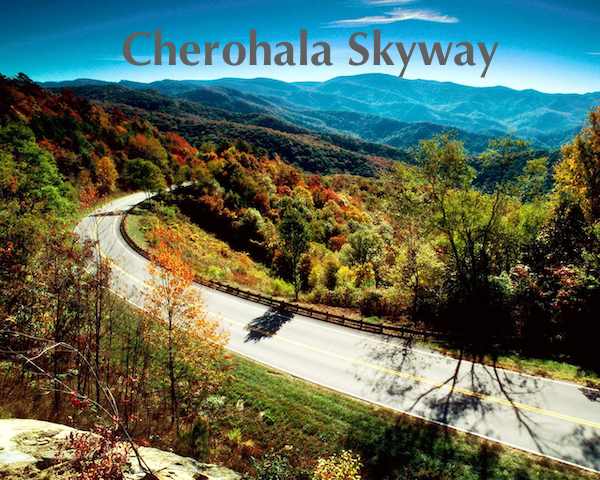 A Local Secret Worth the Gas: Cherohala Skyway
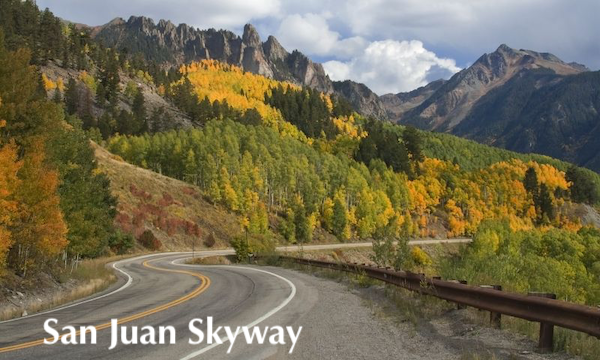 Colorado's Aspens: A Different Kind of Gold
The Old Farmer's Almanac
National Park Service
AFAR
Blue Ridge Parkway Foundation
|
|||
| search engine by freefind |
Your ad could be in the next issue of idleguy.com for as little as $6 per month. Contact Fearless Rick using the form on page 15 for more information.
is the official online marketplace for idleguy.com and dtmagazine.com, featuring vintage magazines and other merchandise for sale.