Fall Is Coming: Hunting Season, What to Expect and What to Carry
By Claude AI, Assistant Publisher
The General Rhythm of Fall Hunting Seasons
Hunting seasons in the United States follow a broadly consistent arc from late summer through winter, though the specifics — dates, zones, bag limits, weapon restrictions — are set independently by each state's wildlife agency and can shift from year to year based on population surveys, habitat conditions, and management goals. What follows is a general framework, not a legal calendar. Always verify with your state before purchasing tags or stepping into the field.
Late August — Early September: Dove season opens first across much of the country, particularly in the South and Midwest, typically on September 1 — the traditional opener that marks the unofficial start of hunting season. Early archery seasons for deer begin in some states, giving bowhunters a quiet head start before firearms seasons bring more pressure to the woods. Bear seasons open in a handful of states in late August.
November: The peak of deer season in most of the country. Firearms deer season — the weeks most hunters think of when they think of deer season — typically opens in early to mid-November across the South and Midwest, with the rut coinciding in most years with the heart of the season. This is the busiest period on public land, the highest-pressure window for deer, and for many states the most productive three to four weeks of the hunting year.
November — December: Waterfowl season opens across the country's four flyways — Pacific, Central, Mississippi, and Atlantic — with specific dates set by the U.S. Fish and Wildlife Service at the federal level and selected within that framework by each state. Duck and goose seasons are among the most closely regulated hunts in the country, with both federal and state rules applying simultaneously.
December — January: Late deer seasons, muzzleloader seasons, and extended archery seasons carry the calendar into winter in many states. Some of the best deer hunting of the year falls in December, when post-rut deer are focused on feeding and late-season hunters have the woods largely to themselves.
Find the Exact Dates for Your State
Season dates, zone boundaries, bag limits, and license requirements are legal documents set by state wildlife agencies, and no magazine table substitutes for the official regulations. Two resources do the job better than any print summary:
HuntingSeason.com pulls data directly from official state wildlife agency sources, shows what is currently open across the country, and organizes seasons by state and species with direct links to official agency pages. It is updated in real time as states publish their regulation booklets.
HuntGearGuide.com provides direct links to every state's official regulations page — not a third-party summary, but the actual agency source — for deer, turkey, and other species. If you want to go straight to the legal document, this is the fastest path.
When in doubt, call your state's wildlife agency directly. License agents at sporting goods stores are also reliable local sources for the regulations that actually apply in your specific county or zone.
The question of rifle versus shotgun is one of the most fundamental in hunting, and the answer is almost always determined by what you're hunting and where rather than by personal preference. Both platforms have specific strengths that align with specific hunting applications, and understanding the logic behind the choice makes the decision straightforward.
When the rifle is the right tool: Rifles are the appropriate choice whenever the target is big game at distance and the terrain allows for longer shots. Deer hunting in open country — agricultural fields, Western plains, mountain clearings — is the primary application. A deer rifle in a caliber appropriate to the game and the distance gives the hunter the precision, energy, and effective range to make clean kills at 100 to 400 yards that a shotgun simply cannot replicate. Elk, bear, and other large Western game are rifle-only propositions for most practical purposes. The specific caliber matters: .30-06, .308, .270, and 6.5 Creedmoor are among the most widely recommended deer calibers for their combination of manageable recoil, flat trajectory, and terminal performance on medium to large game. Magnum calibers make sense for elk and larger game or for shots at extended range.
Bolt-action rifles are the standard platform for most big game hunting — reliable, accurate, and available in virtually every useful caliber. Semi-automatic rifles in hunting configurations are legal in most states and offer a faster follow-up shot, which some hunters value for situations where a second shot might be needed quickly.
When the shotgun is the right tool: Shotguns dominate in three broad categories: birds, dense cover deer hunting, and any application where range is short and a wide shot pattern is an advantage rather than a liability. For dove, duck, goose, pheasant, grouse, quail, woodcock, and turkey, the shotgun is the overwhelmingly standard choice. The reason is physics: a shot charge that spreads to cover a moving target is more effective at typical bird hunting ranges (15 to 40 yards for most upland birds, somewhat longer for waterfowl) than any single projectile, regardless of how skilled the shooter.
For deer in heavy timber, swamps, or thick brush where shots are typically under 75 yards, a shotgun loaded with slugs or buckshot is often the legal requirement (many states mandate shotgun-only in densely populated areas) and is entirely adequate for the ranges involved. A 12-gauge slug is a formidable deer cartridge at woods distances. Buckshot — typically 00 buck for deer — is effective at close range in brushy conditions where a deer might appear and disappear in seconds.
Shotgun gauge is its own conversation: 12-gauge is the overwhelming standard for most applications, offering the widest selection of loads for every purpose from dove to goose to deer slug. The 20-gauge is lighter and more manageable, makes a fine upland bird gun and deer gun for hunters who find the 12-gauge's recoil uncomfortable, but gives up some payload and pattern density at longer ranges. The .410 is a specialist's gun — adequate for small upland birds at close range in skilled hands, not recommended for waterfowl or deer.
The short version: If you're hunting big game in open country, use a rifle. If you're hunting birds or deer in thick cover at short range, use a shotgun. If you're hunting turkey, the answer is almost always a 12-gauge shotgun with a tight choke and a heavy load of No. 4 or No. 5 shot — one of the few situations where the shotgun and big game overlap cleanly. If your state mandates one or the other for a specific season or zone, that mandate settles the question regardless of preference.
Sources
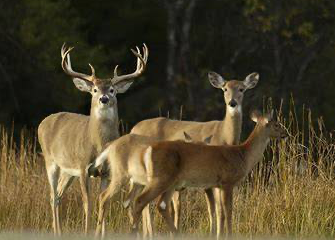 August is the month hunters spend getting ready. Licenses to purchase, gear to check, scouting to do, and — critically — dates to verify before setting foot in the field. Fall hunting seasons are just around the corner across the country, and while the specific calendar varies widely by state, species, and weapon type, the general rhythm of the season is consistent enough to plan around. This page covers when to expect seasons to open, where to find the definitive dates for your state, and how to think about the fundamental equipment question: rifle or shotgun?
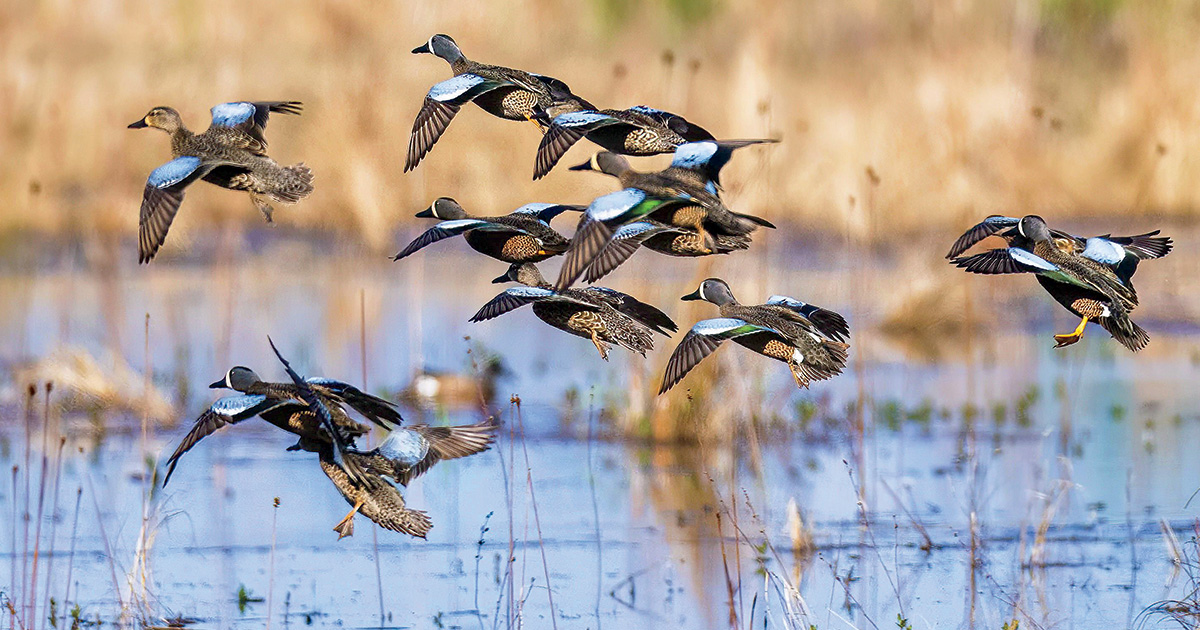 September — October: Archery deer season is underway across most of the country. This is the longest segment of the deer season calendar in most states, often running eight to sixteen weeks, and it overlaps with early elk seasons in Western states where elk are the primary big game target. Turkey fall seasons open in a number of states during this window, separate from the spring gobbler season that most hunters think of first. Small game seasons — squirrel, rabbit, grouse, pheasant in some areas — typically begin in October.
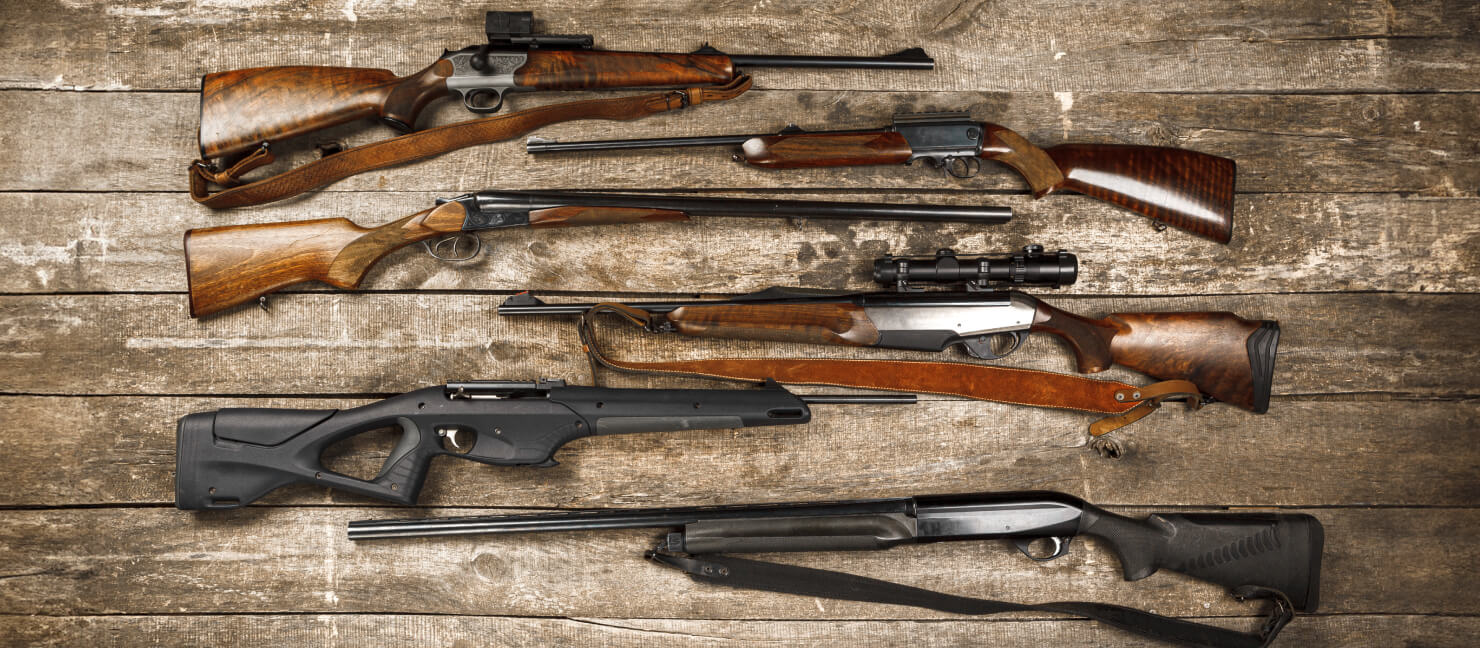 Rifle or Shotgun: Choosing the Right Firearm for the Hunt
HuntingSeason.com
HuntGearGuide.com — All 50 State Agency Links
U.S. Fish and Wildlife Service — Migratory Bird Hunting
National Shooting Sports Foundation
Field and Stream
|
|||
| search engine by freefind |
Your ad could be in the next issue of idleguy.com for as little as $6 per month. Contact Fearless Rick using the form on page 15 for more information.
is the official online marketplace for idleguy.com and dtmagazine.com, featuring vintage magazines and other merchandise for sale.